1 Where AI came from, and the basic taxonomy
-
 A Brief History of AI: From the Turing Test to ChatGPT
 How artificial intelligence actually got here — symbolic reasoning, two AI winters, the knowledge-acquisition bottleneck that killed expert systems, AlexNet's real numbers, and why the transformer's parallelizable attention mechanism, not raw cleverness, is what actually won.
-
 Machine Learning vs. Deep Learning vs. LLMs: AI's 'Species Classification,' Explained
 Machine learning, deep learning, and large language model get used as if they're synonyms. They aren't — they're nested subsets, and understanding the nesting is the fastest way to make sense of any AI conversation.
-
 What Is Generative AI? The Real Difference From Discriminative AI
 Discriminative AI answers 'which category?' Generative AI produces something new that never existed before. That one distinction is what actually explains why the last few years of AI have felt like a different era from everything before them.
2 Inside the model itself
-
 What Is a Large Language Model, Actually? Tokens, Parameters, and Context Windows Explained
 A large language model isn't a database of facts and it isn't 'thinking' in any settled sense — it's a next-token predictor trained on enormous text corpora. Here's precisely what tokens, parameters, and context windows mean, and what that architecture is and isn't good at.
-
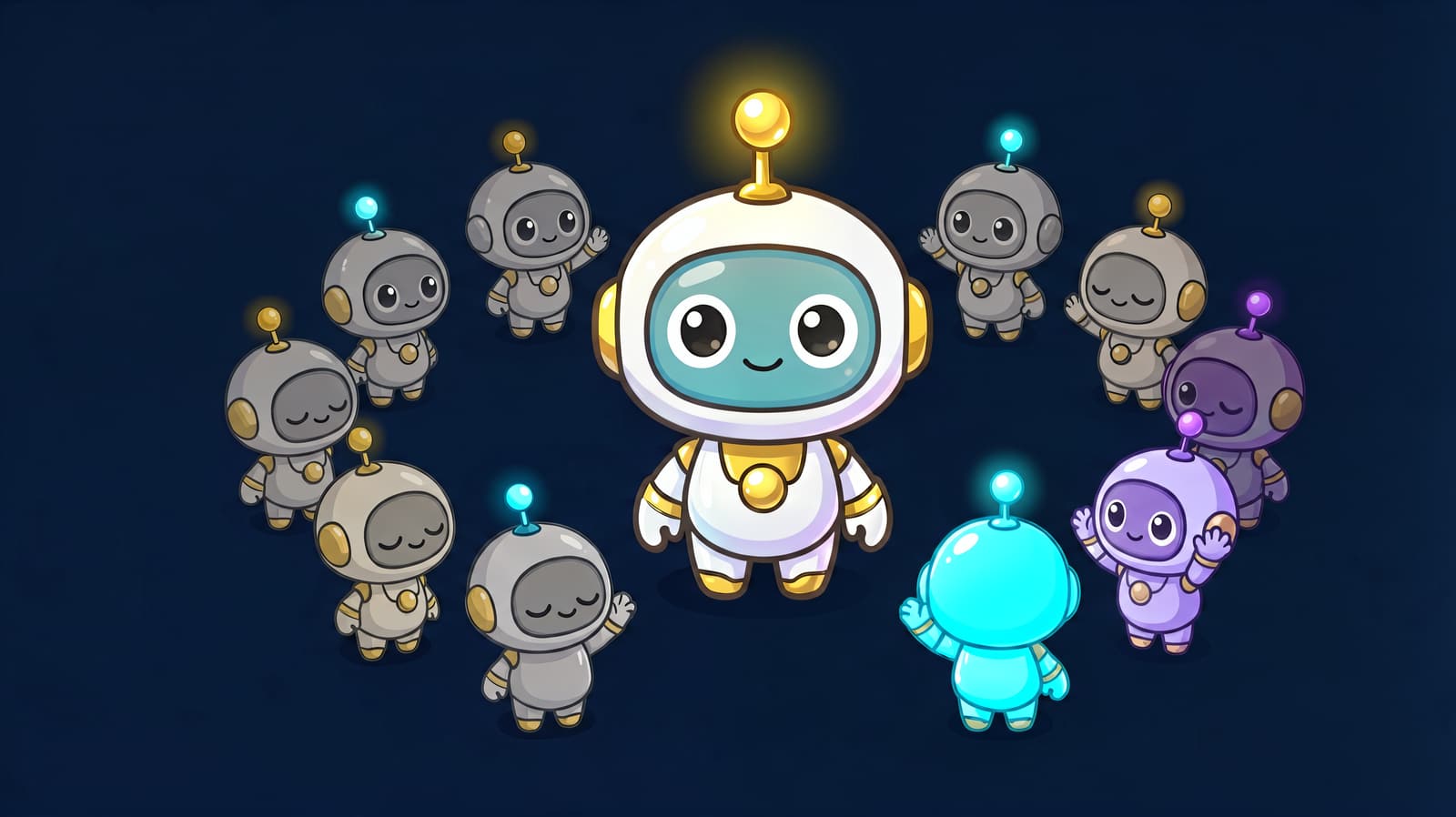 What Is a Mixture-of-Experts (MoE) Model? Why Modern LLMs Only Use Part of Themselves
 DeepSeek, Mixtral, and (reportedly) GPT-4 all use Mixture-of-Experts architecture — a way to build a model with an enormous total parameter count while only activating a small fraction of it per token. Here's exactly how the routing works and what it actually trades away.
-
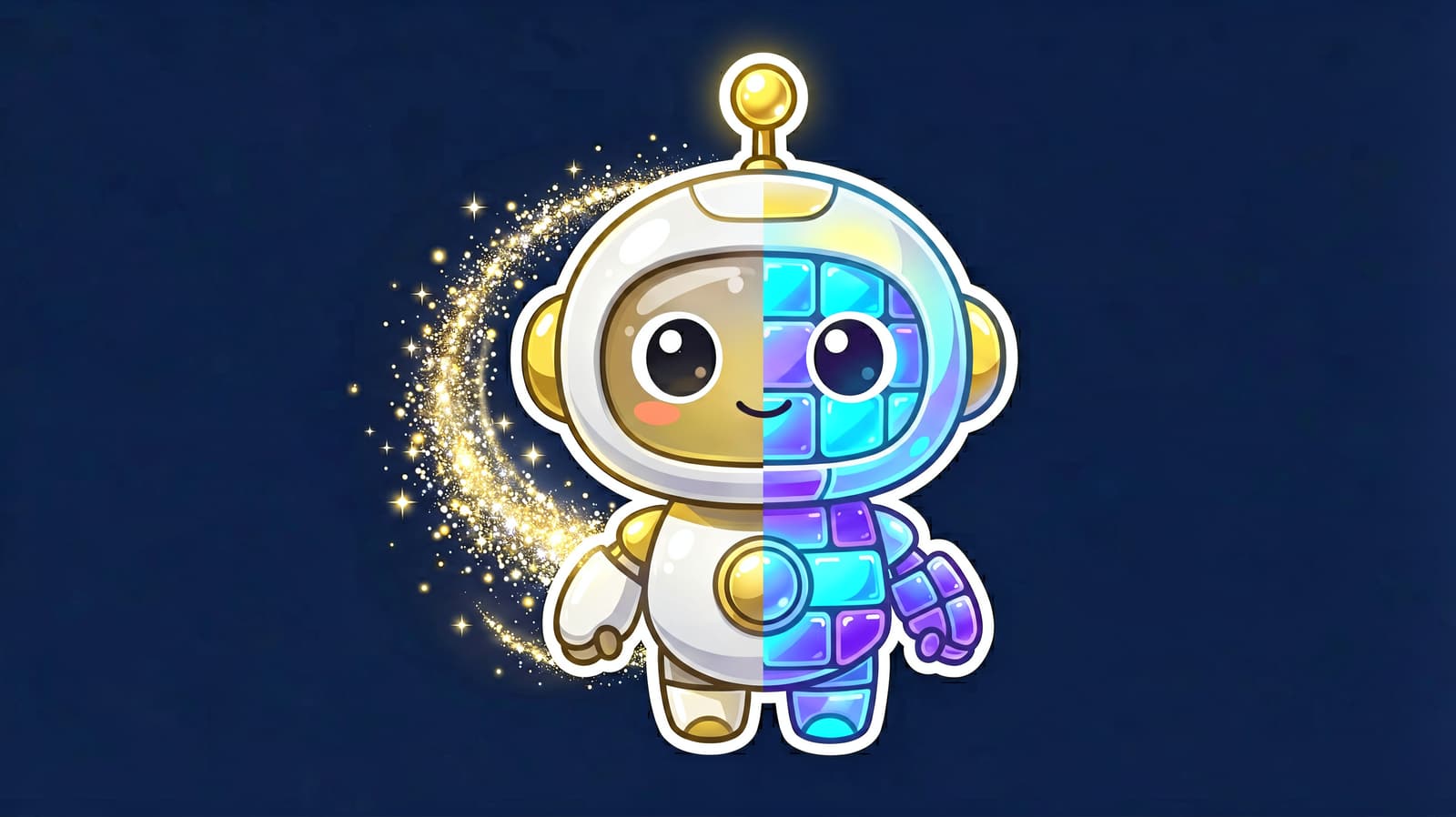 Diffusion Models vs. LLMs: Why AI Image Generation and AI Chat Run on Different Math
 A chatbot and an image generator are both called 'AI,' but underneath they barely resemble each other. Here's how diffusion models denoise their way to a picture, how that differs from an LLM predicting the next word, and why neither can natively do the other's job.
-
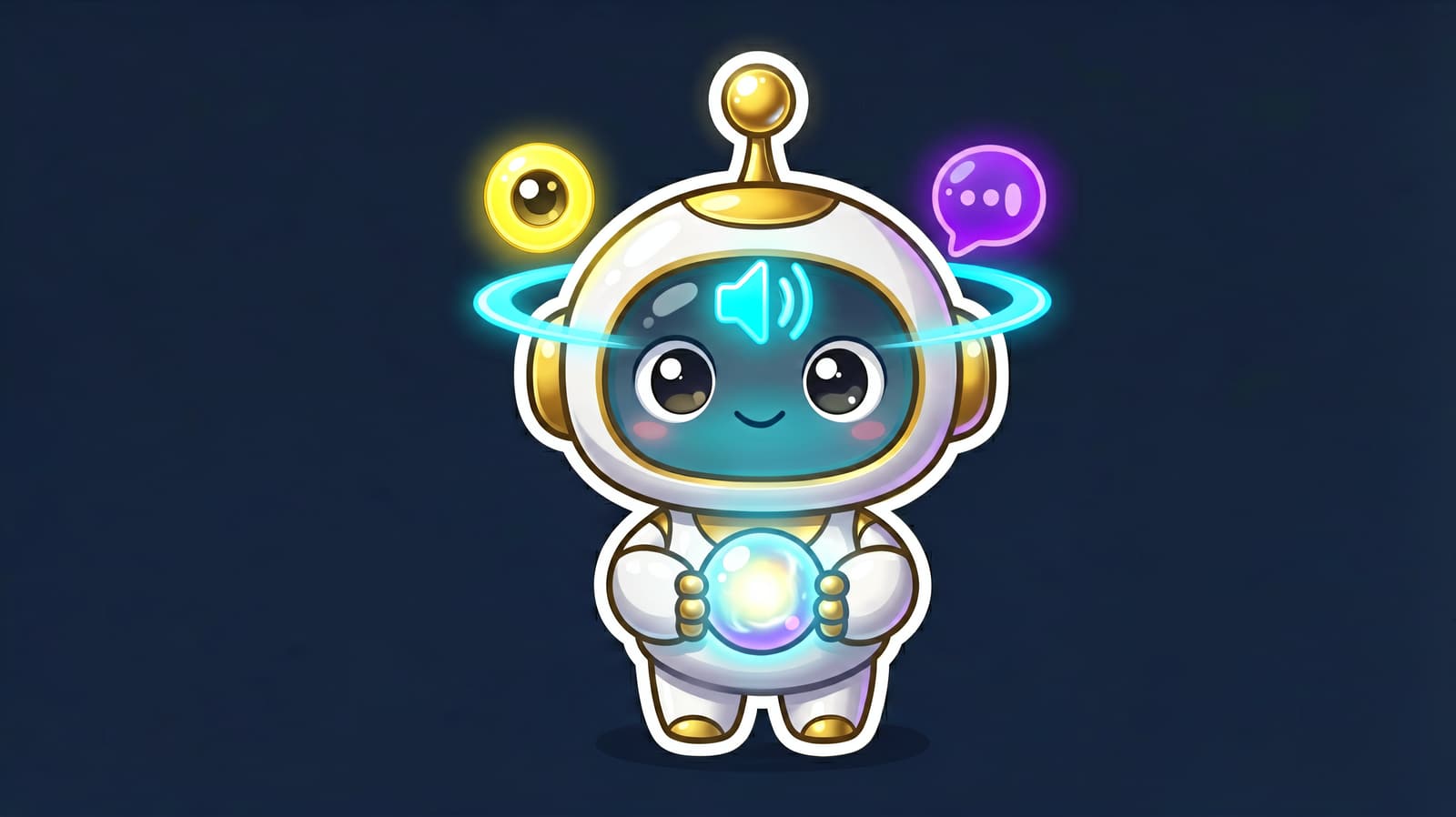 Multimodal AI Explained: How One Model Understands Images, Text, and Audio
 What 'multimodal' actually means at a technical level: different data types get converted into a shared numerical representation a single model can reason over together, instead of needing separate specialized systems stitched into one product.
3 AI agents and the tool ecosystem
-
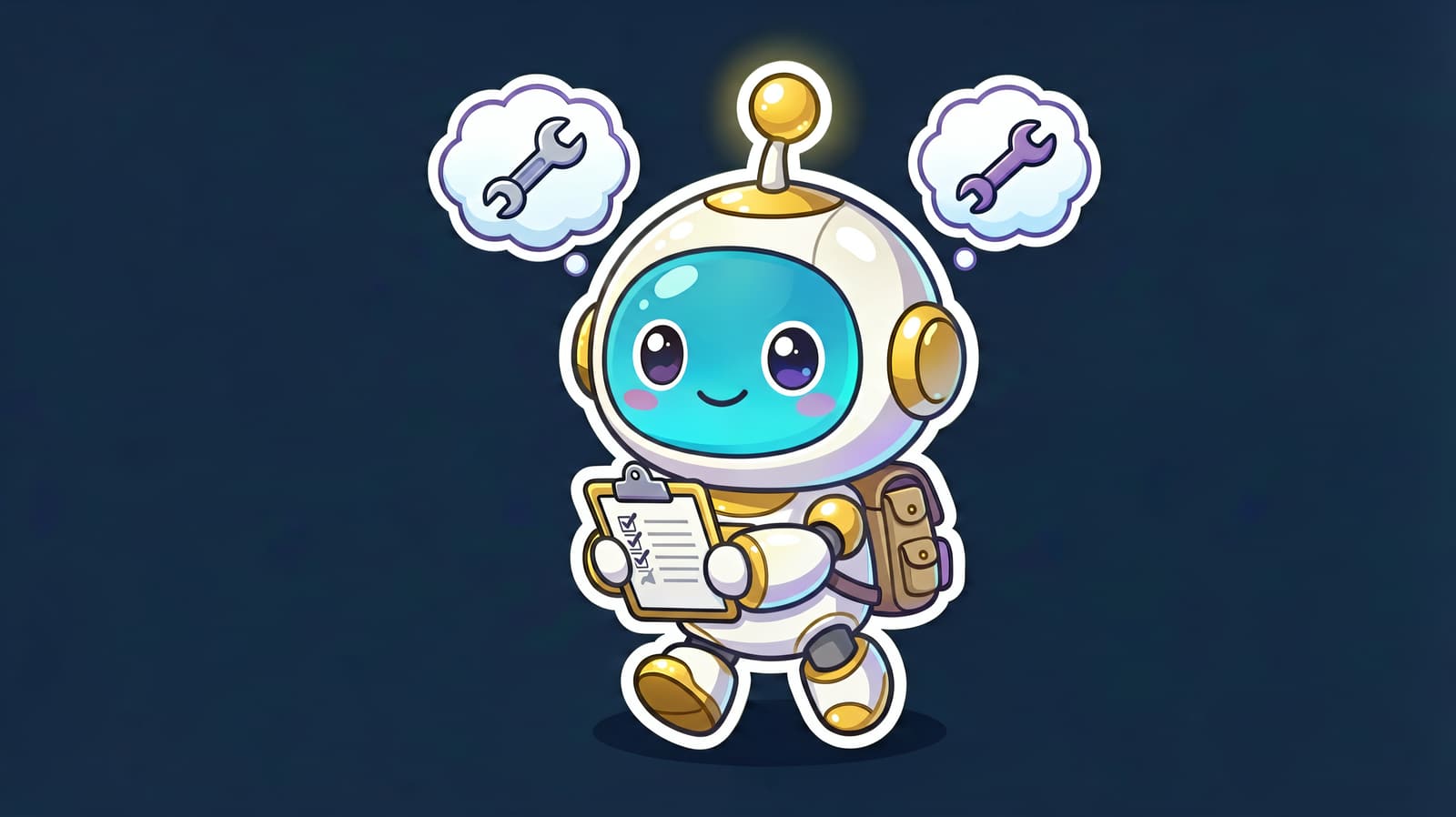 AI Agents Explained: Perception, Planning, Memory, and Tool Use
 What actually separates an 'AI agent' from a chatbot? A breakdown of the four components — perception, planning, memory, and tool use — and the observe-plan-act loop that lets AI systems complete multi-step tasks on their own, including where they still fail.
-
 API, MCP, and Skills: The Three Layers Behind How an AI Agent Actually Calls a Tool
 A precise, non-hand-wavy explanation of what an API actually is, why Anthropic's Model Context Protocol (MCP) exists and what problem it solves, and how 'Skills' differ from both — the plumbing underneath every AI agent that does real work instead of just talking.
4 Image AI, technique by technique
-
 How AI Old Photo Restoration Actually Works: From Pixel Interpolation to Generative Reconstruction
 Old photo restoration used to mean careful manual retouching or basic filters that just smooth what's already there. Modern AI restoration is different: it's generative reconstruction — a model trained on millions of real photos plausibly rebuilding damage and colorizing black-and-white images, one region at a time.
-
 How Image Upscaling Really Works: From Bicubic Interpolation to Real-ESRGAN to Generative Super-Resolution
 Upscaling a photo used to just mean smoothing the blockiness with math. Modern AI super-resolution is a different thing entirely — models trained to hallucinate statistically plausible fine detail, and newer generative upscalers that go even further, at a real cost to strict accuracy.
-
 How AI Watermark Removal Actually Works: Inpainting Explained
 AI watermark removal isn't magic erasing — it's image inpainting, a technique where a model fills a masked region with content that's plausible and consistent with everything around it. Here's how it actually works, why it's harder over complex backgrounds, and where the ethical line sits.
-
 The Evolution of Background Removal: From Green Screens to Semantic Segmentation
 Cutting a subject out of a photo used to require a physical green screen and controlled lighting. Here's the real technical path from chroma-key matting through graph-cut algorithms to deep-learning segmentation models precise enough to handle flyaway hair — and fast enough to run entirely in your browser.
5 Practical guides
-
 How Much Does Old Photo Restoration Cost? Paid Services vs Free AI Tools
 A clear-eyed comparison of professional photo restoration, paid editing software, and free AI restoration tools — what each actually costs, what you get, and which one makes sense for your old photos.
-
 Why Is My Upscaled Photo Still Blurry? 5 Mistakes Almost Everyone Makes
 You resized your photo bigger and it's still blurry. Here are the five real reasons — from confusing resize with upscale to expecting miracles from a heavily compressed JPEG — and what actually fixes it.
-
 Photos You Download Keep Having Watermarks — Where's the Legal Line for Removing Them?
 Removing a watermark isn't automatically illegal, but it isn't automatically fine either. A clear, honest guide to the actual legal and ethical line between watermark removal that's legitimate and watermark removal that's a copyright problem.
-
 Why Do Sora, Nano Banana, and Google Flow Images Always Have a Logo Watermark? A Full Explainer
 Every major AI image and video generator stamps a small watermark on its output. Here's why they do it, the two completely different technologies behind visible logos and invisible provenance metadata, and what a watermark remover actually does and doesn't touch.
-
 No Signup, No Payment: The Free AI Photo Tools Actually Worth Using in 2026
 A practical roundup of free, no-signup AI photo tools organized by the specific job each one solves — watermark removal, upscaling, old photo restoration, and background removal — plus what tradeoffs to actually expect from free tools.